Saturday, July 22, 2023

AI Corner: AI Reads and Reports on 50 New Articles on Digital Pathology, AI

Medicare policy for digital pathology and artificial intelligence runs the gamut.  

On one hand, all the new AMA Category III goes get "no pay" bundled status from CMS hopsital outpatient policy, and hospital outpatient centers are where a lot of biopsies originate (here).

On the other hand, there are a number of PLA codes using artificial intelligence or the newest AMA synonym (augmented algorithmic analysis) - here.  At the other extreme, slide-based PLA codes have been priced as high as $5435 (0295U, ADLT pricing, here).  [This is not a bundled service, because ADLT tests are freed from hospital outpatient bundling.]

AI Reads and Reports on 50 Digital Pathology Papers

To get a helicopter view of recent publications in digital pathology and AI, I did the following:

1.  Search PubMed for the two phrases together, "digital pathology" and "artificial intelligence."

2.  Filter for "open access."

3.  Display the first 50 hits, with abstracts.

OK, I then gave those 50 abstracts (using a text splitter) to ChatGPT3.5, and asked it several questions about the consolidated information.

Results are shown below.

###

PROMPT: 

A biomedical scientist who is expert in digital pathology has identified these 50 important articles.   Please discuss the state of the field of digital pathology and pathology artificial intelligence, based on your reading of these 50 abstracts


Based on the abstracts of the 50 identified articles, it is evident that the field of digital pathology and pathology artificial intelligence (AI) has made significant advancements and holds great potential for improving diagnostic accuracy, efficiency, and patient outcomes in various areas of pathology. Here are some key observations and insights from the abstracts:

Adoption of Digital Pathology: Digital pathology is becoming increasingly prevalent, with more studies exploring its application in different cancer types and diseases. The use of whole-slide imaging (WSI) and AI algorithms is revolutionizing the way pathologists interpret and analyze histopathological samples.

Improving Diagnostic Accuracy: AI-based tools, such as deep learning models and convolutional neural networks (CNNs), are being developed and applied to assist pathologists in diagnosing various cancers, including prostate, colon, and pancreatic cancers. These tools show promising results in improving diagnostic accuracy and reducing inter-observer variability.

Predicting Biomarkers: AI is proving valuable in predicting important biomarkers, such as microsatellite instability (MSI), BRAF mutation status, and other genetic alterations, in colorectal cancer and other malignancies. These predictions can guide personalized treatment strategies and improve patient outcomes.

Tumor Microenvironment Analysis: AI algorithms are being utilized to assess the immune response within the tumor microenvironment. CD8+ cell density gradients and tumor-infiltrating lymphocytes are being investigated as prognostic indicators in various cancers, including bladder cancer and melanoma.

Cascading Diagnostic Workflow: AI-based tools, like Swin Transformer, are enabling efficient prediction of biomarkers with smaller training datasets, which could reduce the number of samples requiring standard testing. This cascading diagnostic workflow can potentially decrease turnaround times and costs.

Impact on Pathologist Workflows: AI tools are being integrated into pathology workflows to aid in tumor detection, grading, and quantification. The synergistic usage of AI and pathologists' expertise is demonstrated to improve efficiency and reduce the need for additional studies and second opinions.

Tissue Clearing and 3D Reconstruction: Techniques like tissue clearing and 3D reconstruction of digitized serially sectioned slides are providing novel insights into the characteristics of pancreatic cancer, enabling visualization at the cellular level and bridging the gap between bench and bedside.

Code-Free Machine Learning: Code-free ML platforms, such as Microsoft Custom Vision and Google AutoML, are being explored for classifying histopathological images. These platforms show promise in predicting clinically relevant biomarkers, including MSI, with high accuracy.

Challenges and Limitations: Despite the progress made, there are still challenges to overcome, such as the need for large and diverse datasets for training AI models, ensuring generalizability and reproducibility, and addressing ethical and regulatory considerations.

Overall, the field of digital pathology and pathology AI is rapidly evolving and has the potential to transform pathology practice, enabling more precise and personalized patient care. The integration of AI with pathologists' expertise holds promise for enhancing diagnostic accuracy, improving efficiency, and ultimately impacting patient outcomes in the field of pathology. However, further research, validation, and standardization are essential to ensure the safe and effective implementation of AI technologies in routine clinical practice.


Can you discuss the 50 abstracts again, in about twice as much detail.

NOTE TO READER: I was looking for a longer essay, but instead, this triggered AI to give a one or two sentence summary of all 50 abstracts.

ChatGPT

Certainly! Let's discuss the 50 abstracts in more detail:

1 Digital Pathology for Cancer Diagnosis:

Multiple abstracts highlight the growing use of digital pathology in cancer diagnosis. Whole-slide imaging (WSI) allows pathologists to view and analyze tissue samples digitally, improving accessibility and collaboration.

2 AI-Assisted Prostate Cancer Diagnosis:

AI tools like Paige Prostate are aiding pathologists in detecting, grading, and quantifying prostate cancer. In a study, pathologists using Paige Prostate showed improved diagnostic accuracy and reduced turnaround time.

3 AI for Brain Tumor Classification:

Researchers are using AI, specifically convolutional neural networks (CNNs), to classify central nervous system (CNS) histopathology images. AI models achieved high accuracy in distinguishing gliomas from brain metastases.

4 AI-Based Colorectal Cancer Biomarker Prediction:

AI models, such as Swin Transformer (Swin-T), are being employed to predict biomarkers in colorectal cancer (CRC) using H&E-stained images. Swin-T showed remarkable efficiency and accuracy even with small training datasets.

5 AI-Driven Pancreatic Cancer Insights:

Tissue clearing and 3D reconstruction of digitized slides are revealing novel insights into pancreatic cancer. This approach allows visualization at the cellular level and has potential clinical implications.

6 AI-Assisted Bladder Cancer Prognosis:

In non-muscle-invasive papillary urothelial carcinoma, CD8+ cell density gradient indicators across the tumor epithelium-stroma interface were explored for prognosis. The findings showed potential for improved risk prediction.

7 AI-Enhanced Prognostic Models:

AI-assisted predictive models are being developed for various cancers. Integrating gradient indicators of CD8+ cell density with clinical data improved the prediction of recurrence-free survival in bladder cancer.

8 AI for Microsatellite Instability Prediction:

AI algorithms, like Swin-T, are being utilized for MSI prediction in colorectal cancer. Swin-T demonstrated robust performance with 5-10 times greater efficiency compared to existing algorithms.

9 AI for Immune Response Analysis:

AI is being used to analyze the immune response in cancer. Evaluating tumor-infiltrating lymphocytes and CD8+ cell density gradients can provide prognostic value in melanoma and other malignancies......

[Truncated, continued to #50]


In summary, the field of digital pathology and pathology AI has made significant strides in improving diagnostic accuracy, efficiency, and personalized medicine approaches. AI tools, such as Swin-T and Paige Prostate, are demonstrating remarkable performance in predicting biomarkers and prognosis in various cancers. Tissue clearing, 3D reconstruction, and the use of AI algorithms have provided new insights into cancer biology. The integration of AI into pathology workflows has the potential to transform the field, improving patient care and outcomes. 

However, challenges remain, including the need for diverse and large datasets, standardization, and ethical considerations. With continued research and validation, AI-driven pathology is poised to play a critical role in the future of cancer diagnosis and treatment.


What appear to be the most impactful applications of AI in digital pathology?

ChatGPT

Based on the 50 abstracts discussed, several impactful applications of AI in digital pathology stand out:

Cancer Diagnosis and Classification: AI algorithms, such as convolutional neural networks (CNNs), are proving highly effective in accurately diagnosing and classifying various cancers, including prostate, colorectal, brain, and bladder cancers. AI-driven pathology analysis offers precise tumor subtyping, reducing diagnostic uncertainty and inter-observer variability.

Biomarker Prediction: AI models, like Swin Transformer (Swin-T), show great promise in predicting key biomarkers in cancer, such as microsatellite instability (MSI) in colorectal cancer. These predictions can guide personalized treatment strategies and improve patient outcomes.

Prognostic Models: AI-assisted predictive models, incorporating immune response data and other clinical factors, are improving risk prediction and prognosis in cancer patients. These models have the potential to aid clinicians in developing tailored treatment plans.

Digital Pathology Workflow Improvement: AI integration into pathology workflows is enhancing diagnostic efficiency, reducing turnaround time, and improving accuracy. Code-free AI platforms are making AI-driven pathology analysis more accessible to pathologists.

Immune Response Analysis: AI is facilitating the analysis of the tumor microenvironment and immune response, allowing researchers to better understand the role of immune cells in cancer progression and patient outcomes.

Tissue Clearing and 3D Reconstruction: AI-driven 3D reconstruction of digitized slides is providing novel insights into cancer biology, particularly in pancreatic cancer. This technique allows for visualization at the cellular level and aids in bridging the gap between bench and bedside.

Education and Training: AI technology is being used to educate and train pathologists, improving their diagnostic skills and enhancing tumor classification accuracy.

Cascading Diagnostic Workflows: AI models, such as Paige Prostate, are reducing the need for additional studies and second opinions by assisting pathologists in making accurate diagnoses, streamlining the diagnostic process.

Personalized Medicine: AI's ability to predict biomarkers and prognosis in cancer is paving the way for personalized medicine approaches, where treatments can be tailored to individual patients based on their specific cancer characteristics.

Overall, AI in digital pathology is revolutionizing cancer diagnosis and research, leading to more accurate and efficient pathology workflows, personalized treatment strategies, and improved patient outcomes. As the field continues to advance, AI's impact on digital pathology is expected to grow, further transforming cancer care and management.


What topics within digital pathology and AI appear to be attracting the biggest share of the research?

ChatGPT

Based on the 50 abstracts discussed, several topics within digital pathology and AI appear to be attracting the biggest share of research:

Cancer Diagnosis and Classification: The majority of research focuses on developing AI models for accurate cancer diagnosis and subtyping, spanning various cancer types, including prostate, colorectal, brain, bladder, and pancreatic cancers. AI's potential in improving diagnostic accuracy and reducing inter-observer variability is a significant area of interest.

Predictive Biomarkers: Many studies concentrate on using AI to predict key biomarkers in cancer, such as microsatellite instability (MSI) and other molecular alterations. Predicting biomarkers aids in treatment decision-making and personalized medicine approaches.

Immune Response Analysis: AI-driven analysis of the tumor microenvironment and immune response is a prominent area of research. Understanding the role of immune cells and their impact on cancer progression is crucial for developing immunotherapies and predicting patient outcomes.

Pathology Workflow Improvement: Research is focused on integrating AI into digital pathology workflows to enhance diagnostic efficiency and reduce turnaround time. Code-free AI platforms and automated image analysis tools are gaining attention for their potential to aid pathologists in routine practice.

Prognostic Models: Development and validation of AI-assisted prognostic models, incorporating clinical data and immune response information, are gaining traction in cancer research. These models can help in risk stratification and treatment planning.

Tissue Clearing and 3D Reconstruction: AI-driven 3D reconstruction of digitized slides, particularly in pancreatic cancer research, is an emerging area of interest. This technique offers new insights into cancer biology and provides a more comprehensive view of tumor characteristics.

Education and Training: Several studies explore the use of AI in education and training for pathologists. AI-based tools are being developed to enhance diagnostic skills and provide valuable learning resources.

Cascading Diagnostic Workflows: Research is being conducted on AI models that can assist pathologists in making accurate diagnoses, potentially reducing the need for additional studies and second opinions.

Comparative Analysis of AI Models: Studies are evaluating the performance of different AI algorithms, such as Swin Transformer, ResNet, and CNNs, to identify the most efficient and accurate models for specific pathology tasks.

Digital Pathology Datasets: Efforts are being made to create and curate large-scale digital pathology datasets for training and validating AI models, aiming to improve the generalizability and reproducibility of AI-driven pathology analysis.

Overall, cancer diagnosis, predictive biomarkers, and immune response analysis are the most prominent areas of research in digital pathology and AI. These areas hold significant potential to advance cancer care and research and are driving the majority of investigations in the field.


What factors are holding back the progress of digital pathology and AI?

ChatGPT

Several factors are holding back the progress of digital pathology and AI:

Data Privacy and Security Concerns: Digital pathology generates vast amounts of patient data, including sensitive medical information. Ensuring patient privacy and data security is a paramount concern, which can lead to strict regulations and hinder data sharing for research purposes.

Limited Access to Quality Datasets: AI models require large and diverse datasets for robust training and validation. However, obtaining high-quality annotated pathology images with diverse patient populations can be challenging, limiting the performance and generalizability of AI algorithms.

Standardization and Interoperability: The lack of standardized protocols and formats for data acquisition, storage, and sharing hampers seamless integration and collaboration between different digital pathology systems and AI tools.

Technical Challenges in Image Analysis: While AI has shown promising results, accurate and reliable image analysis is still a challenge. Variability in staining, tissue preparation, and image quality can impact the performance of AI algorithms.

Regulatory and Legal Barriers: The adoption of AI in clinical practice requires regulatory approval, which can be a lengthy and complex process. Legal and liability issues related to AI-generated diagnoses and treatment recommendations also need to be addressed.

Integration with Existing Workflows: Implementing AI into routine pathology workflows may require significant changes in infrastructure, training, and acceptance from pathologists. Integration challenges can slow down the adoption of AI technologies.

Cost and Resource Constraints: The initial investment in acquiring AI systems and training data can be costly for healthcare institutions, particularly smaller or resource-constrained settings.

Ethical and Societal Implications: AI raises ethical considerations, including the potential impact on jobs and the responsibility for AI-generated diagnoses. Ensuring transparency and accountability in AI algorithms is crucial for gaining trust from both healthcare professionals and patients.

Validation and Reproducibility: Validating AI models across different datasets and pathology laboratories is essential to ensure reproducibility and reliability. Standardized benchmarking is needed to compare the performance of various AI algorithms.

Interpretability and Explainability: AI algorithms often operate as black boxes, making it challenging to understand the reasoning behind their decisions. In critical medical applications, explainable AI is crucial for gaining the trust of pathologists and patients.

Addressing these challenges will require collaboration between researchers, healthcare providers, regulatory bodies, and technology developers. 

Overcoming these barriers will pave the way for the widespread adoption and realization of the full potential of digital pathology and AI in transforming cancer diagnosis and personalized medicine.


User

Were any abstracts in this group notably pessimistic about the potential of AI in digital pathology?

ChatGPT

From the collection of abstracts provided, there were no abstracts that were notably pessimistic about the potential of AI in digital pathology. Instead, the abstracts focused on the various advancements, applications, and benefits of AI in digital pathology, highlighting its potential in improving accuracy, efficiency, and diagnostic outcomes. The abstracts generally showcased the positive impact of AI in assisting pathologists, enhancing disease diagnosis, predicting biomarkers, and optimizing treatment strategies. However, it's worth noting that individual research studies or papers may present different perspectives, and the absence of pessimistic abstracts in this specific collection does not necessarily imply a lack of concerns or challenges in the field of digital pathology and AI.


User

Were any abstracts particularly optimistic or enthusiastic about the progress of digital pathology and AI?

ChatGPT

Yes, several abstracts in the provided collection were particularly optimistic and enthusiastic about the progress of digital pathology and AI. These abstracts highlighted the potential transformative impact of AI in various aspects of pathology, ranging from improving diagnostic accuracy and efficiency to predicting biomarkers and advancing cancer research. Some of the abstracts expressed excitement about the use of AI as a tool to assist pathologists in detecting, grading, and quantifying diseases like prostate cancer and pancreatic cancer.

Furthermore, several abstracts emphasized the advancements in AI algorithms, such as Swin Transformer (Swin-T), and their ability to achieve state-of-the-art predictive performance with smaller training datasets, making AI more accessible and efficient for pathology applications. The potential of AI to revolutionize cancer diagnosis, reduce turnaround times, and cut costs in the diagnostic workflow was highlighted in several abstracts as well.

Overall, the tone of many abstracts was positive, optimistic, and enthusiastic about the potential of AI in digital pathology, acknowledging it as a promising tool to enhance clinical decision-making and revolutionize the field of pathology.


If I were a young medical school professor in pathology, and I want to work on digital pathology and AI, what advice would you give me, based on these abstracts?

ChatGPT

As a young medical school professor interested in digital pathology and AI, the abstracts provide valuable insights and guidance for your research journey in this exciting field. Here is some advice based on the information gleaned from the abstracts:

Stay Updated with Advancements: Digital pathology and AI are rapidly evolving fields. It's crucial to stay updated with the latest advancements in both technology and research literature. Follow conferences, journals, and research publications to keep abreast of cutting-edge developments.

Focus on Diagnostic Accuracy: Many abstracts emphasize the potential of AI to improve diagnostic accuracy. Consider exploring projects that focus on developing AI algorithms or tools to assist pathologists in accurate disease diagnosis, especially in challenging cases.

Investigate Biomarker Predictions: Some abstracts highlight AI's role in predicting biomarkers in various diseases. Consider investigating the use of AI to predict important biomarkers, as this can have significant implications for treatment decisions and patient outcomes.

Work with Smaller Datasets: Pay attention to abstracts discussing AI algorithms like Swin Transformer (Swin-T) that demonstrate excellent performance with smaller training datasets. This could be advantageous if you have limited access to large datasets initially.

Collaborate with Computational Experts: Building AI models and leveraging digital pathology technologies may require computational expertise. Collaborate with experts in computer science, data science, or machine learning to maximize the potential of your research.

Focus on Clinical Impact: Many abstracts highlight the potential clinical impact of AI in reducing turnaround times, improving efficiency, and cutting costs. Prioritize research that can directly translate into real-world clinical applications to address practical challenges in pathology.

Validate AI Models: If you develop AI models, ensure thorough validation on external datasets to assess generalizability and reliability. Validation is essential to establish the credibility and clinical utility of your AI-based tools.

Address Ethical and Regulatory Concerns: As AI technologies become more integrated into medical practice, consider the ethical and regulatory implications of your work. Ensure compliance with data privacy and patient protection guidelines.

Collaborate and Network: Foster collaborations with colleagues and researchers in related fields, such as oncology, radiology, and computational biology. Building a network will broaden your research opportunities and enhance interdisciplinary knowledge.

Publish and Present: Disseminate your research findings through peer-reviewed publications and conference presentations. Sharing your work will contribute to the collective knowledge in the field and help establish your expertise.

Remember, the field of digital pathology and AI is still expanding, and there are numerous avenues for impactful research. Focus on problems that matter to clinical practice, and your contributions have the potential to transform patient care and advance the field of pathology. Good luck with your research endeavors!


User

Many large institutions, like UCLA, Mayo, Sloan Kettering, would have large amounts of slides, molecular information, clinical information, etc, in areas like patients with breast cancer.  

How could these archives be developed into novel AI-based patient services?

ChatGPT

Developing the assets in breast cancer pathology into a single clinical service that benefits doctors and patients requires a strategic and interdisciplinary approach. Here are steps the company can take to achieve this goal:

Data Integration and Cohort Selection: Consolidate and integrate the data on 20,000 patients, including RNA expression, age, stage of disease, grade, and other clinical information. Identify specific subgroups or cohorts within the dataset that could benefit from targeted clinical services.

AI-Based Diagnostic Tool: Leverage the available data to develop an AI-based diagnostic tool for breast cancer. Train machine learning models using the RNA expression data and clinical variables to create a robust and accurate diagnostic tool that aids pathologists in diagnosing and staging breast cancer.

Biomarker Discovery: Utilize the RNA expression data to identify potential biomarkers associated with disease progression, treatment response, or prognosis. These biomarkers could further enhance diagnostic accuracy and inform personalized treatment decisions.

Predictive Modeling for Treatment Response: Develop predictive models using the clinical and RNA expression data to determine how patients are likely to respond to specific treatments. This information can help doctors tailor treatments to individual patients, optimizing outcomes and reducing side effects.

Digital Pathology Platform: Establish a digital pathology platform that allows pathologists to access and analyze patient data efficiently. The platform should incorporate AI algorithms for image analysis, enabling automated and standardized assessments of breast tissue samples.

Clinical Decision Support System: Integrate the diagnostic tool, biomarker predictions, and treatment response models into a user-friendly clinical decision support system. This system will assist pathologists and oncologists in making informed treatment recommendations based on comprehensive patient data.

Validation and Regulatory Compliance: Conduct thorough validation studies to assess the accuracy and reliability of the AI-based diagnostic tool and predictive models. Ensure compliance with regulatory requirements to obtain necessary approvals for clinical use.

Collaboration with Healthcare Providers: Collaborate with healthcare providers, including pathology labs and oncology centers, to pilot and implement the clinical service. Seek feedback from clinicians to refine and improve the service based on their practical needs.

Patient Education and Engagement: Develop educational materials and tools to help patients understand the benefits of the clinical service and the importance of breast cancer screening and early detection. Engage patients in the decision-making process to enhance their participation in their own healthcare.

Outcome Monitoring and Continuous Improvement: Continuously monitor the outcomes and performance of the clinical service. Collect feedback from doctors and patients to identify areas for improvement and further refine the service based on real-world experience.

By following these steps and building a comprehensive and user-friendly clinical service, the universities or spinout companies can provide valuable support to doctors in diagnosing and managing breast cancer or other cancers, while improving patient outcomes and overall healthcare efficiency 


Friday, July 21, 2023

Heartflow: Still Ground Zero for CMS Valuation of Digital Medicine

Heartflow is a Bay-area company that provides services based on highly sophisticated software that maps actual blood flow in impaired hearts, starting from static CT angiography data.  See website here.  The company has had a quartet of Category III CPT codes (0501T, full services; 0502T, data aggregation; 0503T, technical service, 0504T, physician sign-out.)*   This quartet of codes is being replaced by a single CPT code in CY2024 (with the -26, TC modifiers).

  • Its Medicare saga continues, as CMS just announced it disagrees sharply with valuation recomendations that merited extensive study and debate at the AMA RUC.   I'll present that after a brief history

______

You can find deep-dive tech articles on Heartflow as far back as 2011, over a decade (here).  By 2017, it had already raised over $200M.  (It raised Series F, $215M, a few months ago, April 2023.)

Its battles with CMS began early, when Noridian MAC refused to allow it to enroll as an IDTF, as witnessed by online court cases at CMS.  This denial-to-enroll was initially upheld by CMS in April 2017

Adding insult to injury, CMS OPPS rulemaking during 2017 initially ruled that Heartflow's codes were nonpayable, but reversed that position between July and Novmeber, in preparation for CY2018.  And, CMS accepted some invoice that resulting in a $1500 OPPS payment category.   Quickly thereafter, in February 2018, Heartflow landed a $240M round.   Along the path, it got involved in federal lobbying investments, which tallied $200K in 2017, $260K in 2018, $290K in 2019 and 2020, about $450K in 2021, 2022.  OpenSecrets.org.

But it wasn't all good news,  In July 2019 rulemaking, finalized in November 2019, CMS cut that OPPS price to around $900 based on initial hospital discounted-charge data.  It's still at about $900 in the OPPS setting now in 2023.

CMS rarely prices Category III codes, but in July 2021, proposed to set the Heartflow Part B price at about $900 by crosswalk, but that crosswalk target was chosen by CMS directly because it matched the OPPS price.  Here.  (CMS garnered a lot of extra authority to set Part B prices in PAMA Section 220 in 2014).   

As one of the only priced Cat III codes, 0503T, in Part B, is crosswalked to the near-$900 price of 93475.  93475 being priced by an RVU resource stack that is irrelevant to 0503T, but reaches the desired price taken from the OPPS schedule. 

What's New Summer 2023 - RUC Signs Off on $1100 Per Click Software

In rulemaking comments, AMA regularly disputes CMS's wisdom in using OPPS price categories to set Part B pricing, preferring  that CMS work with AMA-valued RUC work and practice inputs.   In the case of Heartflow, AMA CPT has created a new Category I code for the service for CY2024, which brought the topic to a RUC meeting in January 2023.   This RUC meeting left behind extensive data, argumentation, and notes.   (See RUC home page here, see February 2023 records here.  Heartflow is Chapter 11, new code "7X005", starting page 1525/2272).

The main upshot I'm calling out, RUC valued the Heartflow software service, per patient or per click, at $1100.   The new code is, Noninvasive estimate of coronary fractional flow reserve derived from augmentative software analysis of the data set from a coronary computed tomography angiography, with interpretation and report by a physician or other qualified health care professional.  Concurrently, RUC created a new supply code, "FFRCT Software Analysis," noting "the software is not owned by the physician" and "the software is not resuable" (aka it is expensed not amortized).

CMS Says No

On July 13, 2023, CMS released OPPS and PFS rulemaking for CY2024, in "inspection form" or typescript, so I don't have final Fed Reg pagination.  But, the discussion of pricing 7X005 starts at page 158/1920, and CMS explains why it is uncomfortable with per-click software pricing (software as a service) and why it prefers to continue to use 93475 as a crosswalk price (about $900), because, the APC OPPS price based on discounted hospital charge data (charge-to-cost) is about $900.   CMS mentions it is not adopting the AMA RUC valued software, but CMS does not mention explicitly that th the AMA had priced that software at $1100.

Not Just Heartflow: Case Study for Digital Medicine

I've put this much effort into this blog because how CMS prices AI or advanced software is a critical issue, and Heartflow (and new code 7X005) are just "case studies" for how that process is playing out between the AMA RUC and CMS policy staff.

####

CMS payment data for CY2021 is available, cross-matching code and supplier/physician.  Here.  I pulled services starting with 050-- which includes 0501T, 0502T, 0503T, 0504T, the Heartflow codes (I manually deleted other codes with that beginning.)  

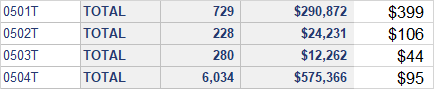
Here's what we get for 0504T data - Physician Interpretation:


Since there are 6000 interpretations, and only 729+280 technical component billings (about 1000), this suggests that most technical component billings of Heartflow are seen not here, but in the OPPS APC system (pass through charges at hospitals, and paid about $900 to the hospital, depending on geography).  The Part B data above total just under $1M for 2021.

Back at the provider/code crossmapped data, the most-reimbursed cardiologist got $34,323 for 46 services of 0501T (Monroe, NC). Allowed amounts for the "T" codes at different MACs seemed to be all over the map.  I've put the spreadsheet in the cloud here.


* Nerd note.  I recall there is a phrase somewhere in statute that requires cardiology tests to have a separate interpretation code, and this is why many tests like EKGs have a separate interpretation code rather than the simpler structure of one code plus -26 and TC modifiers.

Thursday, July 20, 2023

Tidbit: Alzheimer Study Observed Much Larger Effects in Men

 Recently, the FDA gave full approval to the Alzheimer drug lecanemab (Leqembi), based on a pivotal trial published in January in NEJM - van Dyck et al. Here.

On the edge of the news, but cited in a few places, Axios reported that there was quite a difference observed between the male response (slowing 43%) and the female response (slowing 12%).  See page 19 of the Supplement here.  While the result did not meet p< 0.05, and results in such large lists of covariates can accidentally reach significance, the groups were large (900 women, 800 men randomized) and the absolute difference was large (almost 4X).  

Another way of saying this, the statistical significance of drug effect in men on its own was very large, but on the other hand, if taken by itself, the error bars for women "crossed zero," e.g. error bars overlapped 0.

Variation in blacks is very large, because the "n" was so small.

click to enlarge

While genotype was also not a primary variable, the benefit in ApoE4 homozygotes was "negative," as observed in 260 such patients randomized.

__

For a brief blog on exclusion criteria, here.

Humor: AMA PLA Codes: Is "Augmentative Algorithmic Analysis" Replacing "AI"?

AMA has a digital medicine workgroup, and I recall that a year or two ago they recommended against the use of "artificial intelligence" in coding nomenclature, concerned it was too vague.

I think we may see an example of that in the two similar codes for PreciseDx breast cancer slide-based tests, PLA codes 0220U and 0418U.   The latter code is for biopsy specimens.   The latter, newer code seems to replace "AI" with "AAA" or augmented algorithmic analysis.

0220U

Precise Dx Breast Cancer Test 

Oncology, breast cancer, image analysis with artificial intelligence assessment of 12 histologic and immunohistochemical features, reported as a recurrence score.

0418U

Precise Dx Breast Cancer Biopsy Test

Oncology (breast), augmentative algorithmic analysis of digitized WSI of 8 histologic and immunohistochemical features, reported as a recurrence score

However, Augmentative Algorithmic Analysis is not exactly in common use, having only 1 hit on Google, and that is a reference to PLA code 0418U!


##
AMA likes "augmentative," I've seen in in RUC descriptions of AI in radiology ("augmentative algorithms").   

Wednesday, July 19, 2023

AI Corner: Using ChatGPT to Assess a New Review Article on ctDNA [Cohen 2023]

Nature publishes an important new review article on ctDNA on July 12, 2023.  The article is Cohen, Liu, and Aleshin, "Practical recommendations for using ctDNA in clinical decision making." Here.


Below, I copy the original abstract of the article.

Then, I give a summary generated in a few seconds by ChatGPT 3.5, and I ask ChatGPT several questions about the article and its implications.

As is usually the case when I give AI examples, the point for me is not so much "good" or "bad," but finding out what - what the technology looks like and feels like in its current state.

(I've done a very similar analysis to COHEN ctDNA, for RICHARDSON (radiology AI) and DEY (CV imaging). 

##

ORIGINAL ABSTRACT

The continuous improvement in cancer care over the past decade has led to a gradual decrease in cancer-related deaths. This is largely attributed to improved treatment and disease management strategies. Early detection of recurrence using blood-based biomarkers such as circulating tumour DNA (ctDNA) is being increasingly used in clinical practice. Emerging real-world data shows the utility of ctDNA in detecting molecular residual disease and in treatment-response monitoring, helping clinicians to optimize treatment and surveillance strategies. Many studies have indicated ctDNA to be a sensitive and specific biomarker for recurrence. However, most of these studies are largely observational or anecdotal in nature, and peer-reviewed data regarding the use of ctDNA are mainly indication-specific. Here we provide general recommendations on the clinical utility of ctDNA and how to interpret ctDNA analysis in different treatment settings, especially in patients with solid tumours. Specifically, we provide an understanding around the implications, strengths and limitations of this novel biomarker and how to best apply the results in clinical practice.

###

From here out, all the text is AI generated, except my questions.  I submitted the 6000 word article to ChatGPT in 3 parts using a splitter.


###

Please summarize this article in detail including key points, for a biomedical reader who does not have time to read the whole article but needs a good idea of all the main points.


ChatGPT

Summary:

This article discusses the clinical utility of circulating tumor DNA (ctDNA) testing in the management of solid tumors, focusing on colorectal, breast, lung, and bladder cancers, as well as immunotherapy-treated cancers. ctDNA testing involves the detection and analysis of tumor-derived genetic material in the bloodstream and has shown promise as a prognostic and predictive biomarker.

The article highlights key applications of ctDNA testing at different stages of cancer management:

  • Baseline Measurement: ctDNA testing before treatment can help stratify patients based on their risk of recurrence and inform treatment decisions. Positive ctDNA status after surgery indicates a higher risk of recurrence and may guide the use of adjuvant chemotherapy.
  • Minimal Residual Disease (MRD) Monitoring: Serial testing of ctDNA during follow-up allows for the early detection of disease recurrence and helps improve the sensitivity of the assay. Dynamic changes in ctDNA levels following treatment can indicate treatment response or primary resistance, guiding the need for adjuvant therapy or the completion of treatment.
  • Timing of Blood Draw: It is recommended to wait for at least two weeks post-surgery before drawing the initial blood sample for ctDNA-based MRD testing to overcome potential confounding factors such as surgical trauma-induced cfDNA increase. Short interval follow-up draws can confirm negative results and allow timely initiation of adjuvant treatment if necessary.

The article also emphasizes the clinical accuracy of ctDNA testing in detecting disease recurrence across various solid tumors, including colorectal, breast, bladder, lung, and pancreatic cancers. ctDNA-based MRD detection has shown high sensitivity and specificity, leading to improved surveillance strategies and earlier detection of recurrence compared to standard imaging-based methods.

Management strategies for ctDNA-positive patients involve adjuvant systemic therapy, while ctDNA-negative patients may benefit from de-escalation or omission of therapy based on risk assessment. Longitudinal monitoring of ctDNA provides valuable information on treatment response, neoadjuvant therapy effectiveness, and exceptional responders.

Furthermore, ctDNA monitoring aids in distinguishing pseudoprogression from true progression, potentially guiding treatment decisions and avoiding premature treatment discontinuation or unnecessary therapies. It may also help identify hyperprogression and exceptional responders. Immune-related adverse events (IRAEs) can be monitored using ctDNA, assisting in determining the continuation or cessation of immunotherapy.

While ctDNA testing holds great potential, the article highlights the need for further prospective studies and clinical trials to validate its clinical utility and define standardized approaches for different cancer types and treatment settings. As the field advances, ctDNA testing is likely to be incorporated into routine clinical practice to supplement or even replace current standard metrics.

Key Points:

  • ctDNA testing has clinical utility in managing solid tumors, aiding in risk stratification, treatment decisions, and surveillance.
  • Serial testing improves ctDNA assay sensitivity and detects disease recurrence earlier.
  • Dynamic changes in ctDNA levels indicate treatment response or primary resistance.
  • Timing of blood draw relative to surgery is important to avoid confounding factors.
  • ctDNA testing shows high accuracy in detecting recurrence across multiple solid tumor types.
  • ctDNA-based MRD detection can guide adjuvant therapy decisions.
  • Longitudinal ctDNA monitoring assists in neoadjuvant therapy assessment and identifies exceptional responders.
  • ctDNA testing helps differentiate pseudoprogression from true progression in immunotherapy-treated cancers.
  • ctDNA monitoring may identify hyperprogression and guide treatment decisions for immune-related adverse events.
  • Prospective studies are needed to further validate ctDNA's clinical utility and define standardized approaches.

Please note that this summary provides an overview of the main points discussed in the article, but it is always recommended to refer to the original source for comprehensive details and specific context.


What are some of the concerns and risks in this area of oncology?  

Where could the harms exceed the benefits?

ChatGPT

While ctDNA testing holds promise in the field of oncology, there are several concerns and potential risks that need to be considered. Here are some areas where the harms could potentially exceed the benefits:

  • False Positive and False Negative Results: ctDNA testing may yield false positive or false negative results, leading to misinterpretation and potentially inappropriate treatment decisions. False positives may result in unnecessary interventions and overtreatment, while false negatives may lead to delayed or missed detection of disease recurrence.
  • Technical Limitations: Different ctDNA assay platforms may have varying sensitivity and specificity, and the performance characteristics of each assay should be carefully evaluated. Technical limitations, including assay variability, inter-laboratory variability, and the potential for false results due to low ctDNA levels, can impact the accuracy and reliability of ctDNA testing.
  • Lack of Standardization: There is currently a lack of standardized protocols and guidelines for ctDNA testing, including pre-analytical, analytical, and post-analytical aspects. Standardization is crucial to ensure consistent and reliable results across different laboratories and to enable meaningful comparisons between studies.
  • Clinical Validation: While retrospective studies have shown promising results, larger prospective studies and clinical trials are needed to validate the clinical utility of ctDNA testing. Robust evidence is required to establish the impact of ctDNA-based decisions on patient outcomes and survival.
  • Cost and Accessibility: ctDNA testing may be costly and may not be widely accessible, potentially limiting its widespread implementation in clinical practice. The availability and cost-effectiveness of ctDNA assays need to be considered to ensure equitable access for patients.
  • Ethical and Psychological Considerations: The introduction of ctDNA testing raises ethical considerations, including informed consent, privacy, and the potential psychological impact of test results on patients and their families. The potential for anxiety, uncertainty, and psychological distress related to ctDNA testing should be carefully addressed.
  • Overdiagnosis and Overtreatment: The sensitive nature of ctDNA testing may lead to the detection of minimal residual disease or subclinical disease that may not progress or impact patient outcomes. Overdiagnosis and subsequent overtreatment could expose patients to unnecessary interventions, adverse effects, and psychological burden.
  • Unproven Impact on Survival: While ctDNA testing has shown promise as a prognostic and predictive tool, its impact on long-term survival outcomes, such as overall survival or disease-free survival, needs further investigation. Clear evidence demonstrating improved patient outcomes is essential before widespread implementation.

It is important to recognize that the concerns and risks associated with ctDNA testing are areas of active research and development. Addressing these challenges through ongoing studies, standardization efforts, and robust validation will be crucial to maximize the benefits of ctDNA testing while minimizing potential harms.


What is the most groundbreaking or surprising aspect (or a couple aspects) of the technology in this article?

ChatGPT

The article highlights several groundbreaking aspects of ctDNA technology in the field of oncology. Here are a couple of the most notable aspects:

  1. Early Detection of Minimal Residual Disease (MRD): One groundbreaking aspect of ctDNA technology is its ability to detect minimal residual disease, which refers to the presence of residual cancer cells after primary treatment, such as surgery or chemotherapy. By detecting and monitoring ctDNA levels, clinicians can assess the effectiveness of treatment and detect disease recurrence at an early stage. The article emphasizes that ctDNA testing can provide a highly significant prognostic factor, surpassing other clinicopathological risk factors. This capability has the potential to revolutionize post-treatment surveillance and allow for timely intervention to prevent disease progression.
  2. Treatment Response Monitoring: ctDNA testing offers a powerful tool for monitoring treatment response in cancer patients. By analyzing changes in ctDNA levels over time, clinicians can assess the effectiveness of therapy and make informed decisions regarding treatment adjustments. The article highlights that ctDNA clearance is associated with a favorable prognosis, indicating a positive treatment response. Conversely, persistent or increasing ctDNA levels suggest primary resistance to therapy or disease recurrence. This real-time monitoring of treatment response can help optimize treatment strategies and potentially lead to improved patient outcomes.
  3. Personalized Treatment Decisions: Another groundbreaking aspect of ctDNA technology is its potential to guide personalized treatment decisions. The ability to detect specific genetic alterations and mutations in ctDNA allows for the identification of targeted therapies and the monitoring of treatment efficacy. This approach can help tailor treatment regimens to individual patients, maximizing the likelihood of therapeutic success while minimizing unnecessary interventions. The article highlights that ctDNA testing may inform decisions regarding adjuvant therapy, de-escalation or intensification of treatment, and the selection of alternative therapies in cases of primary resistance or treatment failure.
  4. Immunotherapy Response Assessment: ctDNA testing shows promise in assessing treatment response and predicting outcomes in patients receiving immune checkpoint blockade therapy. It can help distinguish between true progression, pseudoprogression (initial radiographic tumor growth followed by regression due to immune response), and hyperprogression (accelerated tumor growth under immunotherapy). This capability is crucial for guiding treatment decisions, avoiding premature discontinuation of effective therapy, and identifying patients who may benefit from alternative treatments.


These groundbreaking aspects of ctDNA technology have the potential to transform cancer management by enabling early detection, personalized treatment approaches, and real-time monitoring of treatment response. Further research, validation, and standardization are necessary to fully harness the clinical potential of ctDNA testing across various cancer types and treatment modalities.


Can these four points be considered breakthroughs?  Or just ideas with "potential?"

ChatGPT

These four points can be considered as significant breakthroughs in the field of oncology. While further research and validation are necessary to fully establish their clinical utility and standardize their use, the current evidence and potential applications of ctDNA technology represent major advancements in cancer management. Here's a closer look at why these points can be considered breakthroughs:

  1. Early Detection of Minimal Residual Disease (MRD): The ability of ctDNA technology to detect minimal residual disease and monitor disease recurrence at an early stage is a significant breakthrough. Traditionally, recurrence or metastasis detection relied on imaging or biomarkers, which may not be sensitive enough to detect microscopic residual disease. ctDNA testing offers a more sensitive and specific approach for early detection, enabling timely intervention and potentially improving patient outcomes.
  2. Treatment Response Monitoring: ctDNA technology's capability to monitor treatment response in real time is groundbreaking. It allows clinicians to assess the effectiveness of therapy and make informed decisions regarding treatment adjustments, such as dose modifications or changes in treatment regimens. This personalized approach to treatment monitoring has the potential to optimize patient care and improve treatment outcomes.
  3. Personalized Treatment Decisions: The ability to detect specific genetic alterations and mutations in ctDNA and use this information to guide personalized treatment decisions represents a significant breakthrough. ctDNA testing enables the identification of targeted therapies and helps tailor treatment regimens to individual patients based on their specific molecular profiles. This personalized treatment approach holds promise for maximizing treatment efficacy while minimizing unnecessary interventions and potential side effects.
  4. Immunotherapy Response Assessment: ctDNA technology's potential to assess treatment response and predict outcomes in patients receiving immune checkpoint blockade therapy is groundbreaking. Immune-related responses, such as pseudoprogression and hyperprogression, can be challenging to identify using conventional imaging techniques. ctDNA testing provides a molecular-level assessment of treatment response, allowing for more accurate identification of these responses and informed decision-making regarding treatment continuation or alternative therapies.

While further research and validation are needed to fully establish the clinical utility and widespread adoption of ctDNA technology, the current evidence and potential applications of these breakthroughs have the potential to revolutionize cancer management and improve patient care.


What would accelerate adoption in this field?  

Conversely, what would slow it down?

ChatGPT

Several factors can accelerate the adoption of ctDNA technology in the field of oncology, while certain challenges may slow down its implementation. Here are some key factors that can affect the pace of adoption:

Factors that could accelerate adoption:

  • Robust Clinical Validation: Conducting large-scale, prospective clinical studies that provide strong evidence of ctDNA's clinical utility and its impact on patient outcomes would significantly accelerate adoption. Well-designed trials with clear endpoints, standardized protocols, and rigorous validation of ctDNA assays can establish its reliability, sensitivity, and specificity across different cancer types and stages.
  • Standardized Assays and Protocols: Developing standardized assays and protocols for ctDNA analysis would facilitate its adoption. Consistent methodologies, quality control measures, and standardized reporting frameworks would enhance reproducibility and comparability across different laboratories and institutions. This would increase confidence among clinicians and regulatory bodies regarding the reliability and accuracy of ctDNA results.
  • Cost-Effectiveness and Accessibility: Ensuring that ctDNA testing becomes cost-effective and widely accessible would promote its adoption. The affordability and availability of ctDNA assays, along with streamlined workflows and efficient turnaround times, would enable broader integration into routine clinical practice. Reducing the financial burden on patients and healthcare systems would be crucial for widespread adoption.
  • Education and Training: Providing education and training programs to healthcare professionals regarding the principles, interpretation, and clinical applications of ctDNA technology would accelerate adoption. Enhancing the understanding of ctDNA testing among oncologists, pathologists, and other relevant specialists would promote its appropriate utilization and interpretation, leading to increased confidence in incorporating ctDNA testing into clinical decision-making.

Factors that could slow down adoption:

  • Limited Clinical Evidence: Insufficient high-quality clinical evidence supporting the clinical utility and impact of ctDNA testing could slow down its adoption. Robust studies demonstrating the benefits of ctDNA technology, including improved patient outcomes and cost-effectiveness, are crucial to convince clinicians, healthcare institutions, and regulatory authorities of its value.
  • Complex Data Interpretation: The interpretation of ctDNA results can be complex, requiring expertise in molecular biology and genetics. The complexity of data analysis, variant interpretation, and integration into clinical decision-making may pose a challenge. Developing user-friendly bioinformatics tools and decision support systems that aid in data interpretation and reporting could help overcome this barrier.
  • Regulatory and Reimbursement Challenges: Regulatory approvals and reimbursement policies play a vital role in the adoption of novel technologies. Delays or uncertainties in regulatory clearance or reimbursement coverage for ctDNA assays could impede widespread implementation. Establishing clear guidelines, regulatory frameworks, and reimbursement mechanisms that accommodate ctDNA testing would be essential.
  • Infrastructure and Resource Limitations: Implementing ctDNA technology may require significant infrastructure and resource investments. Laboratories need specialized equipment, trained personnel, and adequate bioinformatics capabilities to handle and analyze ctDNA samples. Limited resources, particularly in smaller healthcare settings, could hinder the adoption of ctDNA technology.

Addressing these challenges through collaborative efforts among researchers, healthcare providers, policymakers, and industry stakeholders will be crucial for accelerating the adoption of ctDNA technology in clinical practice. Continued research, standardization, education, and supportive policies can help overcome these barriers and facilitate the widespread integration of ctDNA testing into routine oncology care.


General a script for a two minute video about the article, where an expert who thoroughly understands the article and its content provides a brief video overview for other oncologists and researchers in ctDNA.


ChatGPT

[Opening shot: A professional setting with a well-informed expert seated in front of a bookshelf filled with medical literature]

Expert: "Hello, fellow oncologists and researchers in ctDNA. Today, I would like to provide you with a brief overview of an exciting article that delves into the current landscape of ctDNA testing and its implications in oncology."

[Cut to visuals of key points from the article being highlighted]

Expert: "This article explores the potential of ctDNA, circulating tumor DNA, as a powerful tool in the field of oncology. It discusses how ctDNA testing can revolutionize cancer management, from early detection and diagnosis to treatment response monitoring and surveillance."

[Cut to visuals of a laboratory technician performing ctDNA analysis]

Expert: "One groundbreaking aspect highlighted in the article is the ability of ctDNA testing to detect minimal residual disease (MRD) with high sensitivity and specificity. This allows for the early identification of disease recurrence and the optimization of treatment strategies."

[Cut to visuals of a patient receiving personalized treatment based on ctDNA results]

Expert: "Another exciting development is the use of ctDNA as a predictive biomarker for treatment response. By monitoring dynamic changes in ctDNA levels, clinicians can assess the effectiveness of therapies and make informed decisions regarding treatment modifications."

[Cut to visuals of a research team discussing the potential of ctDNA]

Expert: "The article also emphasizes the importance of serial testing and the role it plays in improving the sensitivity of ctDNA assays. Serial monitoring enables the detection of disease recurrence at earlier stages, allowing for timely intervention and improved patient outcomes."

[Cut to visuals of oncologists and researchers discussing the article's findings]

Expert: "To accelerate the adoption of ctDNA testing in clinical practice, the article highlights the need for robust clinical validation, standardized assays, and cost-effectiveness. It also emphasizes the significance of education and training programs to enhance the understanding and interpretation of ctDNA results."

[Closing shot: Expert summarizing the main takeaway]

Expert: "In summary, this article showcases the tremendous potential of ctDNA testing in transforming the way we manage cancer. By harnessing the power of ctDNA, we can enhance early detection, personalize treatment approaches, and improve patient outcomes."

Expert: "I encourage you to read the full article to gain a comprehensive understanding of the advancements in ctDNA technology and its implications in oncology. Together, let's embrace this groundbreaking tool and shape the future of cancer care."

[Fade out with the expert's closing remarks and a call-to-action to read the full article]

Note: The script provided is a general outline for a two-minute video overview and can be modified or expanded upon to suit the specific requirements of the video production.


##

What do the authors mean, in the title, the article will be "practical" recommendations.  How would a reader be most impressed by the article being "practical?"  Do they achieve that (the authors?).

ChatGPT

When the authors refer to the article providing "practical" recommendations, they are indicating that the content offers actionable guidance that can be implemented in real-world clinical settings. The emphasis on practicality suggests that the article goes beyond theoretical concepts and provides tangible suggestions and approaches for integrating ctDNA testing into routine oncology practice.

To impress readers with its practicality, the article should offer clear and concise recommendations that are directly applicable to their clinical work. The recommendations should address common challenges and provide solutions or strategies that can be readily implemented. Additionally, the article should consider the feasibility, scalability, and cost-effectiveness of incorporating ctDNA testing into existing healthcare systems.

Whether the authors achieve practicality depends on the specific content of the article. Readers would be most impressed if the article offers step-by-step guidelines, identifies potential barriers to implementation, provides evidence-based support for the recommendations, and includes case studies or examples that illustrate how the recommendations can be put into practice.

Overall, the practicality of the article can be evaluated based on its ability to empower readers with actionable insights and enable them to navigate the complexities of ctDNA testing in their clinical decision-making process.


Tuesday, July 18, 2023

Journal Club: Genomeweb Highlights UK Report on Genomics Access in Europe

 Readers with a Genomeweb subscription may enjoy a new article there on a report from the UK, looking at access to genomics in Europe.  Here.

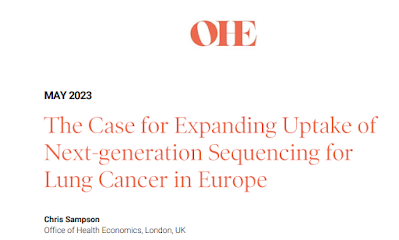
Authorship of the report is the Office of Health Economics, with sponsorship from Takeda.

Open access, see the actual report, cover date 5/2023.  Here. 37pp.


Dr Lee Fleisher, Chief Medical Officer Leaves CMS; Speaks at August "NextGen" Conference

For several years, Dr Lee Fleisher has been the CMS Chief Medical Officer and has led the CMS Offices of Standards and Quality.

He's speaking at a conference in DC in August, NextGenDx (August 21-22-23), where he's listed as FORMER staff at CMS.   His talk will be, "Lessons from My Time at CMS."   I think his departure date is July 31.

Find the conference presentation here:

https://www.nextgenerationdx.com/reimbursement-diagnostics

click to enlarge

See his June 22 blog about TCET:

https://www.cms.gov/blog/transforming-medicare-coverage-new-medicare-coverage-pathway-emerging-technologies-and-revamped


Monday, July 17, 2023

CMS to Cancel Amyloid PET NCD, Leave Issue to MACs; plus JAMA

For decades, CMS has tightly controlled access to PET scans, through a series of complex and topic-specific NCDs.  Today, CMS announced a proposal to terminate its beta-amyloid PET scan NCD, which allowed access only within clinical trials.  If the change is carried out, beta-amyloid PET scans will be subject to MAC discretion.

Concurrently, JAMA published a large clinical RCT for donanemab (Lilly drug), along with 4 Op Eds.

###

What Happened

The proposed NCD decision is here.  NCD 220.6.20 would be removed, making amyloid PET coverage up to each MAC.   CMS includes a lengthy topical discussion, a history of its PET coverage, and a rationale for local management.

Timeline

CMS took up this topic early in June 2022, but deferred a decision from December 2022 (expected) to July 2023 (actual).  

What happens next?  

CMS must take public comment to August 16, 2023.  CMS has 60 days to finalize, but could do so faster (on or possibly earlier than October 16, 2023).   Then, a little weirdness.  Legally, the decision is effective on that day (October 16, or earlier).  But CMS typically issues a transmittal effectuating the change with MACs in a few months (say, December 2023) typically "effective" on some future date (say, March 1, 2024), but retroactive to October 16.   Whew.

Nerd Note 1 - Removal

CMS could have used the "expedited NCD removal process," since this is simply a cancellation of the NCD and not a revision of it.

Nerd Note 2 - Tau

I don't think CMS has ever regulated tau PET scans, if FDA versions are approved, I think they would be covered by MACs   Lots about TAU in JAMA.

Nerd Note 3 - Packaging

CMS has a "packaging" policy that is highly adverse to using special tracers (tracers other than FDG) in the hospital outpatient PET scanner setting, special tracers are used only in the "freestanding” or non-hospital PET scanner setting.   CMS is discussing this in current rulemaking (see ACR here).

Nerd Note 4: CED?

CMS summarizes several PET amyloid CED studies conducted in the past decade, but it's unclear they were contributory to the decision.  

Nerd Note 5: Alz Biomarkers

An international body has upgraded the need for biomarkers in managing Alzheimer's; article here. Links and entry points here. 39 page draft position here, figures here.

JAMA Donanemab

Sims et al. is a 1700 patient 72 week RCT showing that donanemab slowed AD progression by about 30%, and may have preferentially helped earlier-stage patients with less tau pathology.

There are 4 Op Eds.

AI CORNER: 

AI Versions of JAMA Op Eds

I provide an AI mini summary of each op ed (Manly, Widera, Rabinovici, Rosenthal), and then, an AI generated composite op ed of 250 words.  

Here.


Saturday, July 15, 2023

AMA Releases July PLA Submissions; and September AMA CPT Submissions

AMA CPT - September in New Orleans

For the September 2023 meeting in New Orleans, AMA has released the full agenda, for both lab and general codes.  Unfortunately, the deadline for requesting lab proposals to review and comment, closed on July 14.  The agenda for other types of codes, to request for comment, runs all the way to August 31.  Find the  September CPT agenda here.  Find September meeting registration here.

Of note, there is an agenda item (79) to review the process for converting PLA codes to Category I codes.   When this occurs, it could occur in one of two ways. If the test is a proprietary MAAA test that meets Cat I criteria (wide acceptance, 5 publications), it could become a MAAA code in the 81500 series.  Any other code can't be a proprietary CPT code, but could become a general code for the service.   For example, there are multiple optical genomic mapping PLA codes, and AMA could create a "general" CPT code for OGM.

There are a number of codes that involve artificial intelligence.  (eg 76, AI generated prostate cancer mapping.).  I may be missing something, but I didn't see any Cat I lab code proposals.

##

AMA PLA CODES

AMA accepted quarterly PLA applications in early July, and released the applications for review on July 14.  There is a process (at the link) for requesting codes to review and comment.  The comment cycle is very fast (only a few days) and PLA committee will meet around July 27.   Codes will be published October 1 and active January 1.  Codes in this batch will be priced by CMS at next summer's CLFS meetings (July 2024).

For full descriptions see the PDF at AMA.  Two codes use ddPCR (1, 16.) (*)

  1. CxBladder Detect+
    1. urine, ddPCR, 5 genes, bladder cancer risk
  2. Colosense
    1. CRC screening, 8 RNA markers, fecal
  3. Guardant360 Response
    1. Pan cancer, cfDNA, response to cancer therapy
  4. Genomind Neuropsych
    1. 26 genes, psychiatric treatments
  5. MiR Prostate Cancer
    1. 53 sncRNAs for risk of prostate cancer (urine exosomes)
  6. QLear Wound Pathogen
    1. 28 pathogens, 18 antibiotic resistance genes
  7. CardioRisk+
    1. Buccal, cardio risk score with 560,000 SNPs
  8. RCIGM rapid whole genome comparator
  9. RCIGM ULTRA rapid whole genome
  10. Early Sepsis Indicator
    1. Monocyte distribution
  11. Epic ctDNA Breast Cancer Panel
    1. ctDNA for 56 or more genes (LBx)
  12. Omnipathology Oropharyngeal HPV
    1. PCR for 14 high risk HPV
  13. Malabsorption evaluation panel
    1. 4 fecal biomarkers
  14. Glycine receptor Alpha1 IgG
    1. In CSF via live cell binding assay
  15. Kelch-like Protein 11 Ab
    1. serum or CSF
  16. NavDx REVISE
    1. Revising 0356U ddPCR HPV DNA, blood, w fragmentation patterns
  17. EpiSwitch prostate screening test
    1. 5 epigenetic markers in combo with PSA
  18. BluePrint 80 gene breast cancer profiling
    1. Basal, luminal, etc
  19. RightMed exclude F2 F5 report
    1. 25 genes including drug-gene interactions
  20. ChemoID
    1. Cancer cell in vitro sensitivity, 10 or more drugs
  21. PROphet NSCLC
    1. 388 proteins, aptamer proteomics, lung cancer response to immunotherapy
  22. MindX Blood Test Anxiety
    1. RNA sequencing, blood, anxiety risk
  23. MeMED BV REVISE
    1. Revising 0351U Infectious disease assays revised for serum "or whole blood"
  24. EffectiveRX Comprehensive Panel
    1. 33 genes, PGx, drug interactions, etc
_
(*)  MDR tests that use NGS sometimes bump against rules for "one test per patient" in NCD 90.1, the CMS NCD about NGS in cancer patients (advanced vs early patients).  ddPCR is "not NGS" so it doesn't even fall under the scope of 90.2, dodging some of the quirky problems.


Thursday, July 13, 2023

CMS Releases CY2024 Rule Proposals: PFS and HOPPS

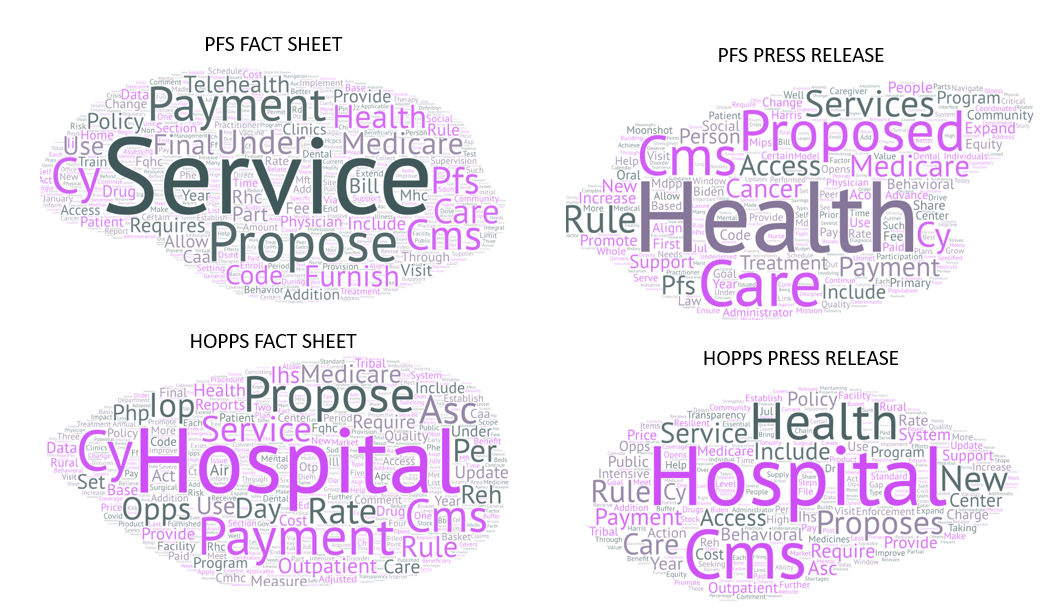
 Each summer, CMS releases new omnibus packages of pricing policy and other rules, one for physician fee schedule (and other services like labs), and one for the hospital outpatient setting.   In recent years, CMS  has grappled with how to pay for AI-type services in either setting, and how to pay for molecular testing in the HOPPS setting, which sees increasing complications added to the 14 day rule.

CMS releases both packages of rules on July 13, 2023.   The rules appear in typescript "inspection copies" today, and in the Federal Register in ten days.   The rules come with CMS summaries in the form of CMS press releases.  Both rules require massive spreadsheet attachments.

PHYSICIAN FEE SCHEDULE

Web page here.  Inspection copy here (1920 pages).  Fed Reg copy on August 7.  Comment period 60 days.  Fact sheet here.


HOSPITAL OUTPATIENT SCHEDULE

Web page here.  Inspection copy here (963 pages). Fed Reg copy on July 31.  Comment period 60 days.  Fact sheet here.

FLUFFY PRESS RELEASES

In addition to the rules, spreadsheets, and fact sheets, CMS releases a puffy fluffy press release for each rule.  The PFS version here.   The OPPS version here.


PFS RULE
The PFS rule includes some conforming updates regarding PAMA, such as reporting in 1Q2024, lab prices and payments from 1H2019, to set a new 3-year price schedule in CY2025-26-27 Lab PAMA 431ff/1920.   

There are some changes to telemedicine. CMS requests comment on possible updates to CLIA for histopathology (aka AP), cytology, and clinical cytogenetics.  (CLIA 834ff/1920)  

Although radiology Appropriate Use Criteria software is required by a section of PAMA 2014, CMS is putting that program on ice for now, rescinding 42 CFR 414.94. I've always wondered whether we might suddenly one day see AUC rules in genomics.   AUC 726ff/1920.   

There's some discussion of digital RVU valuation, p32/1920.  

See also 158/1920 in context of FFRCT, th dicussion getting lively around 159/1920 in reference to a new Category I code for FFRCT, 7X005.  It will be crosswalked to the TC of 93457, which is an angiography code.   FFRCT 159/1920.  There's a request for info on digital cognitive behavior therapy (Topic 8, 304-308/1920).  This is released to codes for remote therapeutic monitoring (e.g. 989X6).  There's a discussion of remote digital cytopathology reading (Dig Cytopath 833/1920).  

OPPS RULE
The OPPS rule contains requests for comment on how CMS bundles, or overbundles, diagnostic tracers into pricing for radiology scans (e.g. a PET scan pays the same bundled rate whether the tracer is $300 FDG or $2000 Amyvid).   Radiology stakeholders will be commenting vigorously on that. (See ACR summary here).   I thought I saw, somewhere, reference to a bill to unbundle radiotracers from the base scan fee.

See the ACR "Preliminary Summary" of the HOPPS rule here (4pp).  (See ACR's summary of PFS here.)

In January 2023, AMA created a set of digital pathology codes (0751T ff) and added a couple dozen more in July 2023.  I expected the codes, which were too late for discussion in the July 2022 rule, to be discussed in this OPPS rule (they are all classed as nonpayable in the hospital outpatient setting).  But, I don't see a word of discussion yet.  Maybe CMS feels it is so obvious these codes would be bundled or nonpayable in the OPPS setting, that it feels no need to verbalize why.

In radiology, I notice an MR imaging program for liver with AI, 0648T/49T, is classed as New Tech APC Level 11, paying $950.  [SAAS p 165/963].   There's a brief solicitation of info on harms of AI on page 607/963. 


Brief Blog: AI In Action: Analysis of Petak 2021 Paper on AI-driven Personalized Medicine

The point of this blog is to give an example where we feed a molecular medicine paper to AI (here, ChatGPT), and compare the results to what we'd get from the abstract alone.

##

The paper is Petak et al 2021, which I ran across last week.   The title is: A computational method for prioritizing targeted therapies in precision oncology: performance analysis in the SHIVA01 trial.  It appeared in Nature Precision Oncology 5:59, here.  Digitally driven drug assignment could double PFS, but on a small scale (4 vs 2 months).  I would classify it as a proof of concept paper.

Here's the article's own abstract:

Precision oncology is currently based on pairing molecularly targeted agents (MTA) to predefined single driver genes or biomarkers. Each tumor harbors a combination of a large number of potential genetic alterations of multiple driver genes in a complex system that limits the potential of this approach. We have developed an artificial intelligence (AI)-assisted computational method, the digital drug-assignment (DDA) system, to prioritize potential MTAs for each cancer patient based on the complex individual molecular profile of their tumor. 

We analyzed the clinical benefit of the DDA system on the molecular and clinical outcome data of patients treated in the SHIVA01 precision oncology clinical trial with MTAs matched to individual genetic alterations or biomarkers of their tumor. We found that the DDA score assigned to MTAs was significantly higher in patients experiencing disease control than in patients with progressive disease (1523 versus 580, P = 0.037). The median PFS was also significantly longer in patients receiving MTAs with high (1000+ <) than with low (<0) DDA scores (3.95 versus 1.95 months, P = 0.044). Our results indicate that AI-based systems, like DDA, are promising new tools for oncologists to improve the clinical benefit of precision oncology.

###

OK, now let's feed the article to ChatGPT (model 3.5).  We use a text splitter to split the text into chunks of about 2000 words (3 chunks).  From here on, my words are in red, and the unaltered machine genereated ChatGPT responses are in black.

I am Dr Bruce Quinn, a molecular pathologist and policy expert for precision medicine.  I need to summarize this article in detail in a lecture next week.  Please provide me a detailed summary of this article.  I am an MD PhD.

ChatGPT

Certainly, Dr. Quinn. I can provide you with a detailed summary of the article you shared. Here's a summary of the key points:

The article presents a computational method called Digital Drug Assignment (DDA) that aims to prioritize molecularly targeted agents (MTAs) for precision oncology. DDA is an explainable AI system designed to assist in personalized treatment strategies for cancer patients.

The DDA system works by analyzing the molecular profiles of patients and identifying potential driver genes, associated targets, and MTAs that have positive or negative associations with the molecular alterations present in the patient's tumor.

The system calculates an Aggregated Evidence Level (AEL) score for each MTA based on the strength of associations with driver genes and targets. The higher the AEL score, the more likely the MTA is to be effective in the given patient's tumor.

The study evaluated the clinical performance of the DDA system using data from the SHIVA01 clinical trial, where patients were treated with MTAs based on predefined molecular alterations. The analysis showed that MTAs with higher AEL scores had a significantly higher disease control rate and longer progression-free survival compared to those with lower AEL scores.

The DDA system demonstrated the ability to identify effective MTAs even when the molecular alterations in the patient's tumor did not match the specific targets of the MTAs. This suggests that the network-based approach of DDA, considering multiple associations and functional relevance, can predict treatment outcomes more accurately.

The article emphasizes that DDA should be used as a supportive tool for treatment decision-making, especially when multiple MTAs are available at the same evidence level. It can help prioritize MTAs based on their AEL scores, but further clinical trials are needed to validate the clinical benefits of MTAs selected by DDA.

The DDA system is designed to be transparent, open to human supervision, and continuously updated with new evidence. It can be used by healthcare professionals trained in its utility and limitations to aid molecular tumor boards in planning personalized treatment strategies.

The article highlights the potential of AI-based systems like DDA in precision oncology, but it also emphasizes the need for rigorous evaluation, randomized trials, and regulatory frameworks to ensure their reliable and effective use in clinical practice.

In conclusion, the DDA system presented in the article offers a promising approach to prioritize MTAs for precision oncology based on the molecular profiles of patients. It demonstrates the potential to improve treatment outcomes by considering multiple associations and functional relevance. However, further validation and integration into clinical practice are necessary before widespread adoption.


What are the greatest strengths of this approach?

ChatGPT

The DDA approach outlined in the article has several notable strengths:

  1. Network-based Analysis: The DDA system utilizes a network-based approach that considers multiple associations between driver genes, targets, and MTAs. This comprehensive analysis allows for a more holistic understanding of the molecular landscape of a patient's tumor and the potential interactions between different molecular alterations and therapeutic targets.
  2. Aggregated Evidence Level (AEL) Scoring: The system calculates an AEL score for each MTA, which takes into account the strength and relevance of the associations between the MTA, driver genes, and targets. This scoring system helps prioritize MTAs based on their potential efficacy, allowing for more informed treatment decisions.
  3. Transparent and Explainable AI: DDA is designed to be an "open box" AI system, meaning its rationale and mechanism of action are transparent and explainable. The system generates lists of published evidence used for scoring and provides text descriptions of molecular alterations and associated MTAs. This transparency allows healthcare professionals to review and verify the system's decisions, enhancing trust and facilitating human supervision.
  4. Integration of Functional Evidence: DDA incorporates functional evidence, including clinical, preclinical, and in silico data, to assess the functional relevance of molecular alterations and their associations with MTAs. By considering the functional significance of specific mutations and their targets, DDA can predict treatment outcomes even when there is no direct match between the molecular alterations and the targeted therapies.
  5. Clinical Performance Validation: The DDA system was evaluated using data from the SHIVA01 clinical trial, where the clinical benefits of MTAs selected by DDA were assessed. The analysis demonstrated that MTAs with higher AEL scores had better disease control rates and longer progression-free survival. This validation provides evidence for the clinical utility and effectiveness of the DDA approach.
  6. Potential for Personalized Treatment Strategies: DDA has the potential to assist molecular tumor boards in developing personalized treatment strategies for cancer patients. By considering the unique molecular profiles of individual patients, DDA can help identify the most appropriate MTAs based on the available evidence, optimizing treatment outcomes.

Overall, the greatest strengths of the DDA approach lie in its comprehensive analysis, transparent methodology, incorporation of functional evidence, demonstrated clinical performance, and potential to guide personalized treatment decisions in precision oncology.


What are potential weaknesses?  Might the work be hard to replicate?  Is there any "hype" in the discussion?    How might an expert oncologist criticize the approach?

ChatGPT

Potential weaknesses of the DDA approach and areas that could be subject to criticism include:

  1. Limited Data Validation: The validation of the DDA system's performance was primarily based on data from the SHIVA01 clinical trial. While the results were promising, the evaluation was retrospective and conducted on a specific patient population. Further prospective clinical trials and external validation using diverse patient cohorts are necessary to establish the generalizability and reproducibility of the approach.
  2. Complexity and Replication Challenges: The DDA system relies on a vast network of associations and algorithms, making it a complex computational tool. Replicating such a system with similar performance and accuracy might pose challenges for other research groups or institutions. Detailed information about the system's architecture, algorithms, and databases would be crucial to enable replication, but these specifics may not be readily available.
  3. Interpretation of AEL Scores: The AEL scoring system used in DDA may require careful interpretation and validation. Assigning weights and determining the thresholds for positive and negative associations can introduce subjectivity and potential biases. The optimal thresholds and cutoffs for AEL scores may vary depending on the specific patient population, tumor types, and treatment contexts.
  4. Limited Clinical Evidence: The article acknowledges that the current version of DDA should not replace on-label therapies with MTAs that have higher clinical evidence levels. The system's effectiveness relies heavily on the available evidence-based associations, which might be limited, especially for emerging or investigational therapies. As new evidence emerges and more MTAs become available, the system would require continuous updates to maintain relevance.
  5. Generalizability and Bias: The article focuses on the SHIVA01 trial and its specific patient population. The performance and applicability of DDA to other cancer types, treatment settings, and populations with different genetic backgrounds and healthcare systems need further exploration. The system's ability to address potential biases, such as overfitting, selection bias, or data bias, should also be assessed to ensure unbiased and equitable treatment recommendations.
  6. "Hype" in Discussion: The discussion section of the article may contain elements of enthusiasm and anticipation for the future of AI-based precision oncology. While the results from SHIVA01 are encouraging, it is important to remain cautious and recognize that further clinical trials, real-world evidence, and regulatory evaluations are necessary before widespread adoption of DDA or similar AI-driven approaches.

An expert oncologist might criticize the approach by highlighting:

  1. The need for larger, randomized clinical trials comparing DDA-guided treatment decisions against standard practices to assess its true clinical benefit and superiority.
  2. Concerns about potential overreliance on computational algorithms without sufficient emphasis on individual patient factors, clinical judgment, and shared decision-making.
  3. The challenge of integrating DDA into existing clinical workflows and the potential for increased complexity and decision-making burden on healthcare providers.
  4. The limitations of evidence-based associations, as the quality and reliability of the underlying evidence can vary, and evidence gaps may exist for certain rare mutations or specific patient subgroups.
  5. The importance of considering other factors beyond molecular profiles, such as patient preferences, comorbidities, treatment toxicity, and cost-effectiveness, when making treatment decisions.

These criticisms aim to highlight the need for further research, clinical validation, and a careful balance between AI-driven recommendations and the expertise and individualized care provided by oncologists.

I read the following sentence in the abstract.  The PFS is around 4 vs  2 months.  It seems the effect size is pretty small.  ### The median PFS was also significantly longer in patients receiving MTAs with high (1000+ <) than with low (<0) DDA scores (3.95 versus 1.95 months, P = 0.044)

ChatGPT

You are correct that the difference in median progression-free survival (PFS) between patients receiving MTAs with high DDA scores (1000+ <) and those with low DDA scores (<0) is relatively small. The reported median PFS for patients with high DDA scores was 3.95 months, compared to 1.95 months for patients with low DDA scores. The p-value of 0.044 suggests a statistically significant difference between the two groups.

It's important to note that while the difference in median PFS may appear small, statistical significance indicates that this difference is unlikely to have occurred by chance. However, the clinical significance of this small improvement in PFS needs to be carefully considered, as it may have limited impact on overall patient outcomes. The study would benefit from further exploration of overall survival (OS) data and additional clinical trials to provide a more comprehensive assessment of the clinical benefit associated with DDA-guided treatment decisions.


## END

See newly created AMA CPT code 0794T, pharmaco-oncologic treatment ranking.